For frozen food manufacturers and industrial breading processors, stable product quality is key to market sales and customer loyalty. Most fried and breaded product defects stem not from faulty operation or incorrect frying temperature, but from unmatched industrial bread crumbs and unstable crumb quality.
Many processors underestimate the importance of quality commercial bread crumbs. Key crumb properties including particle size, oil absorption rate, structure, and moisture content directly determine the taste, appearance, shelf life, and reheat stability of finished breaded food products.
This article summarizes the 5 most common industrial breading problems in mass production, explains how bread crumbs cause these issues, and shares practical solutions to improve your production yield and product consistency.
1. Breading Coating Falling Off During Frying or Freezing
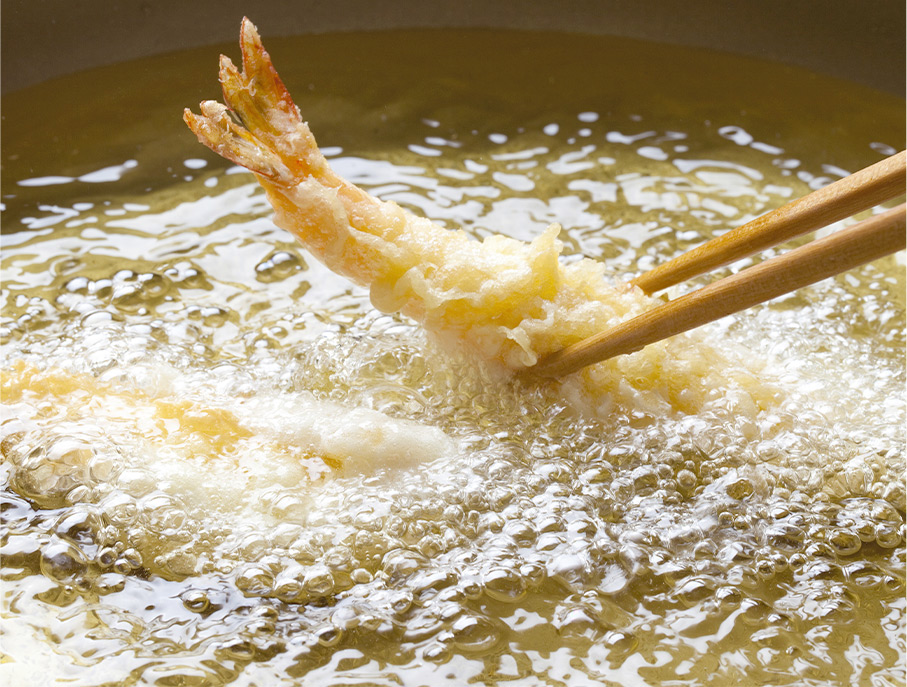
Coating falling off is the most common issue in industrial breading, frequently occurring on frozen chicken nuggets, fish fillets, seafood, and vegetable patties. Excessive detachment leads to unqualified products, material waste, and reduced production yield.
How bread crumbs cause this problem:
Standard bread crumbs with smooth, dense structures offer poor adhesion to food substrates. Low-quality panko with irregular particle sizes cannot form a uniform coating, easily cracking and falling off after freezing and reheating. Overly fine crumbs lack support, while oversized particles fail to bond firmly with the binding layer.
Professional Solution:
Opt for high-adhesion industrial panko bread crumbs with uniform particle sizes and textured porous surfaces. This structure strengthens bonding with flour and egg wash layers, effectively preventing coating fall-off during frying, freezing, transportation, and reheating.
2. Excessive Oil Absorption & Greasy Final Products
Excessive oil absorption creates greasy breaded products, failing to meet modern demands for low-fat, healthy food. This issue harms customer satisfaction and repurchase rates, especially for air-fryer-ready pre-coated frozen foods.
How bread crumbs cause this problem:
Traditional dense bread crumbs trap large amounts of oil during frying. Low-quality bulk bread crumbs with high moisture expand abnormally at high temperatures, locking grease inside the coating. Long-term use of high-oil-absorption crumbs also increases production costs and oil consumption.
Professional Solution:
Choose professional low oil absorption bread crumbs for industrial use. The stable porous hollow structure reduces oil uptake by 20%-30%, delivering crispy, non-greasy results suitable for both deep frying and air fryer prefabricated food production.
3. Uneven Browning & Poor Product Appearance
Uniform golden browning is a basic standard for high-quality commercial breaded food. Uneven coloring, such as pale spots, burnt patches, and mottled surfaces, downgrades product quality and weakens market competitiveness.
How bread crumbs cause this problem:
Uneven browning is mainly caused by unstable bread crumb quality. Mixed particle sizes, inconsistent baking, and uneven starch and sugar content lead to different heat resistance and caramelization speeds, resulting in patchy coloring after frying.
Professional Solution:
Use color-stable industrial bread crumbs with strict particle screening and constant-temperature baking. Every batch features uniform texture and ingredients, ensuring consistent golden browning without white spots or dark streaks under standard frying conditions.
4. Loss of Crispness After Freezing, Storage & Reheating
For frozen food factories, sustained crispness after freezing and reheating is a vital quality index. Most breaded foods turn soft and soggy after cold storage and reheating, greatly ruining consumer experience.
How bread crumbs cause this problem:
Standard bread crumbs have poor freeze-thaw stability. Their dense structure collapses during long-term freezing, absorbing moisture from the food substrate and losing crispness quickly after reheating.
Professional Solution:
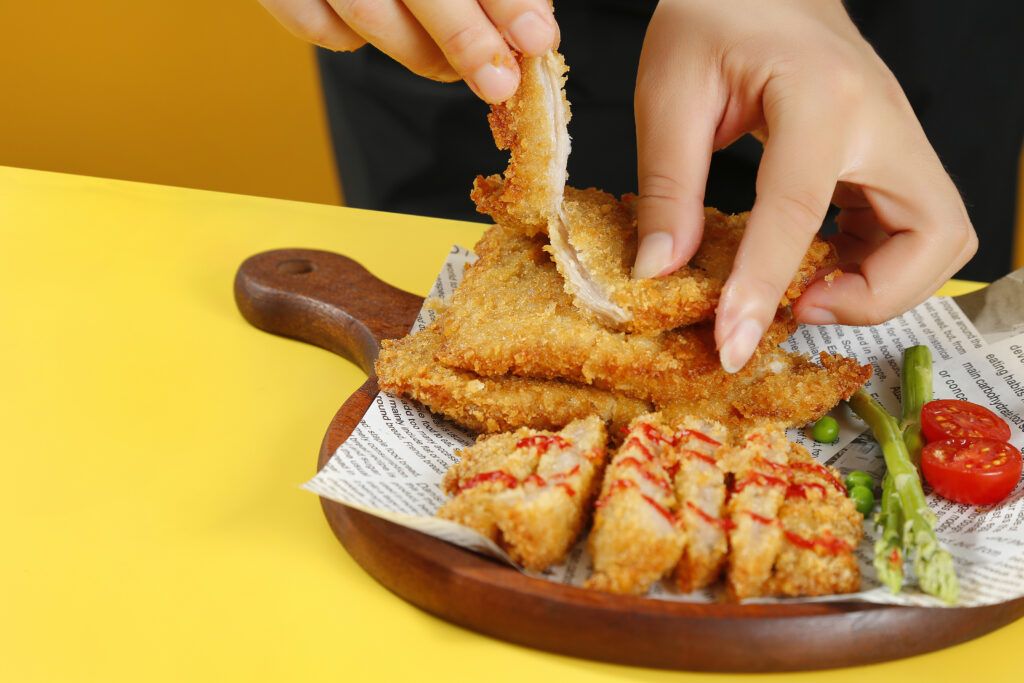
Freeze-resistant crispy bread crumbs solve this issue perfectly. The optimized porous structure resists low-temperature damage and moisture penetration, maintaining stable crispness after repeated freeze-thaw cycles and secondary reheating for long-shelf-life frozen products.
5. Mold & Moisture Clumping During Bulk Storage
Bulk bread crumb storage often faces moisture clumping and mold growth, causing product deterioration, batch waste, and potential food safety hazards for large-scale food production.
How bread crumbs cause this problem:
Substandard bulk bread crumbs feature high moisture content and unstable water activity. Poorly packaged crumbs easily absorb ambient moisture, leading to clumping and mold. Imperfect drying processes also leave residual moisture, shortening shelf life drastically.
Professional Solution:
Choose food-grade mold-resistant bulk bread crumbs with strictly controlled moisture and water activity. Matched with professional moisture-proof industrial packaging, our crumbs support long-term bulk storage while complying with global food safety standards.
Get Free Bread Crumbs Samples & Technical Support
We supply customized industrial bread crumbs and panko crumbs for global frozen food manufacturers, central kitchens, and food importers, including low-oil, freeze-resistant, high-adhesion, and color-stable models.
Contact us today for free bread crumb samples, detailed spec sheets, and professional breading technical guidance to fix your production quality issues.