When developing a breaded food product, choosing between panko and traditional breadcrumbs is more than a matter of appearance.
The type of crumb can affect the final coating structure, texture, appearance, oil absorption and overall eating experience.
For food manufacturers, the better question is not simply:
“Which one is better?”
Instead, it is:
“Which coating structure is better suited to our product and processing conditions?”
Understanding the differences between panko and traditional breadcrumbs can help product developers make a more informed choice.
What Is the Difference Between Panko and Traditional Breadcrumbs?
Both panko and traditional breadcrumbs are made from bread, but their structure and processing can be quite different.
Traditional breadcrumbs are generally more compact and granular. They can provide relatively uniform coverage and a smoother coating appearance.
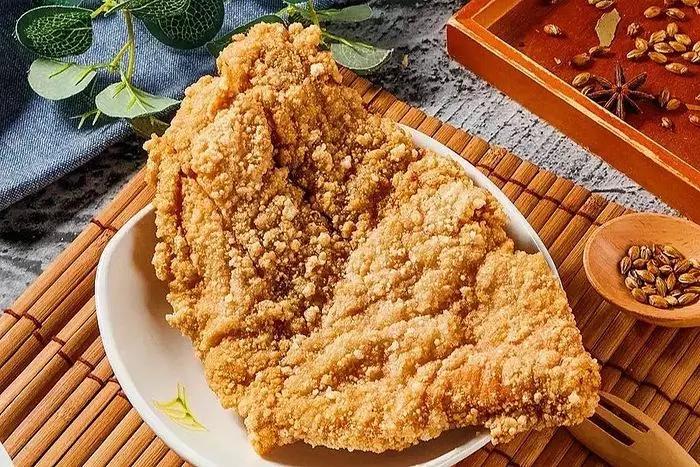
Panko, on the other hand, is typically characterized by its larger, irregular or flaky particles and more open structure. This structure is one of the reasons panko is widely used when manufacturers want a lighter-looking coating and a more pronounced crispy texture.
| Feature | Traditional Breadcrumbs | Panko |
|---|---|---|
| Structure | Fine or granular | Flaky / open |
| Coating appearance | More uniform | More textured |
| Surface texture | Relatively compact | More open and crispy |
| Typical application | Controlled, even coverage | Crunchy, textured coating |
| Visual effect | Smooth or fine | Larger, more pronounced particles |
However, these are general characteristics. Actual performance also depends on the crumb formulation, particle distribution, moisture, batter system and processing conditions.
1. Coating Texture
One of the most noticeable differences is the texture of the finished coating.
Traditional breadcrumbs tend to form a relatively compact coating. This can be useful when a product requires a more uniform surface.
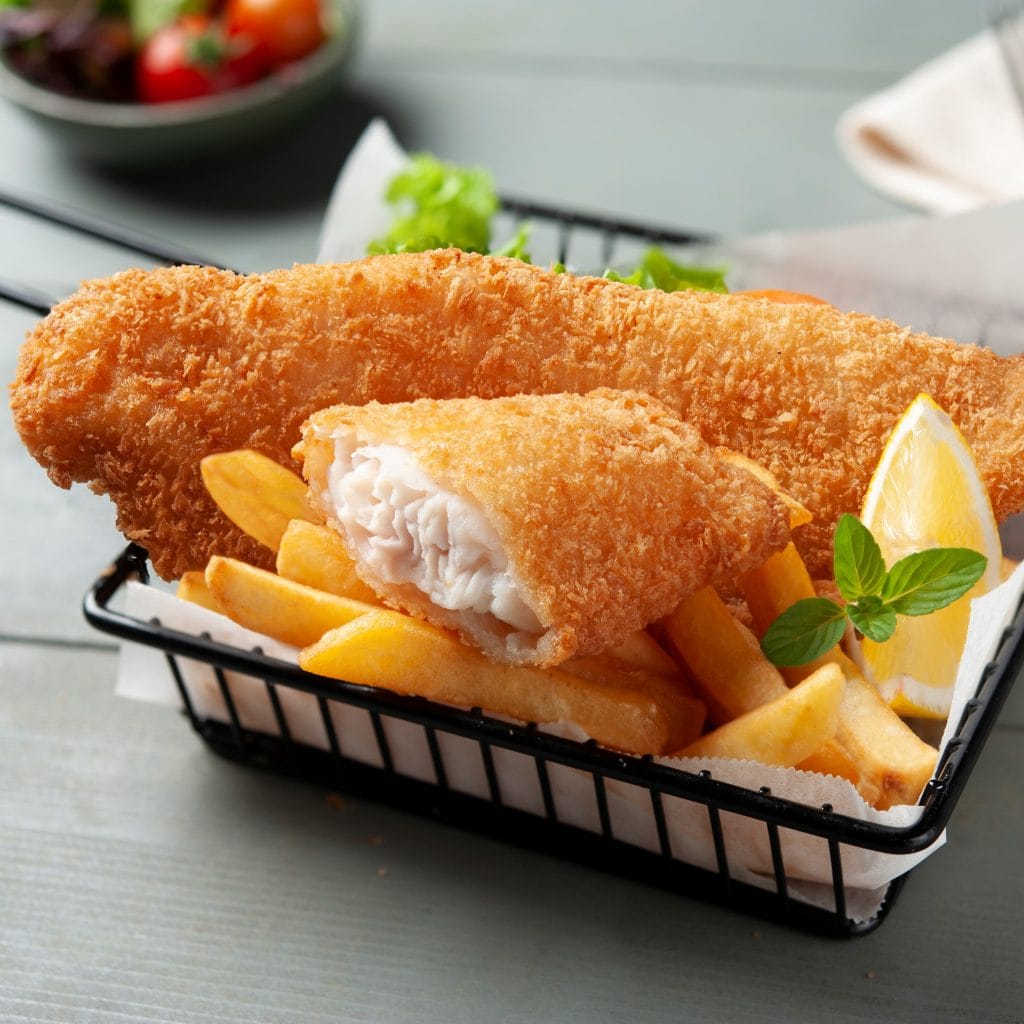
Panko creates a more open coating structure. Its larger flakes can produce a rougher surface and a more noticeable crunch.
This makes panko particularly suitable for products where texture is an important part of the eating experience, such as:
- Breaded chicken
- Chicken tenders
- Chicken cutlets
- Fish fillets
- Shrimp
- Onion rings
- Croquettes
- Premium fried snacks
The final result, however, still depends on the complete breading system rather than the crumb alone.
2. Appearance of the Finished Product
Appearance is another important consideration for food manufacturers.
Traditional breadcrumbs can create a relatively fine and even surface. This can be desirable for formed products or applications where consistent coverage is the priority.
Panko generally creates a more visibly textured surface because of its larger and more irregular particles.
For some products, this texture can make the coating look more substantial and visually crispy.
Therefore, product developers should consider the desired appearance before selecting a crumb.
Do you want a smooth, controlled coating or a more textured, premium-looking crust?
That question can help narrow down the appropriate coating system.
3. Crispiness and Eating Texture
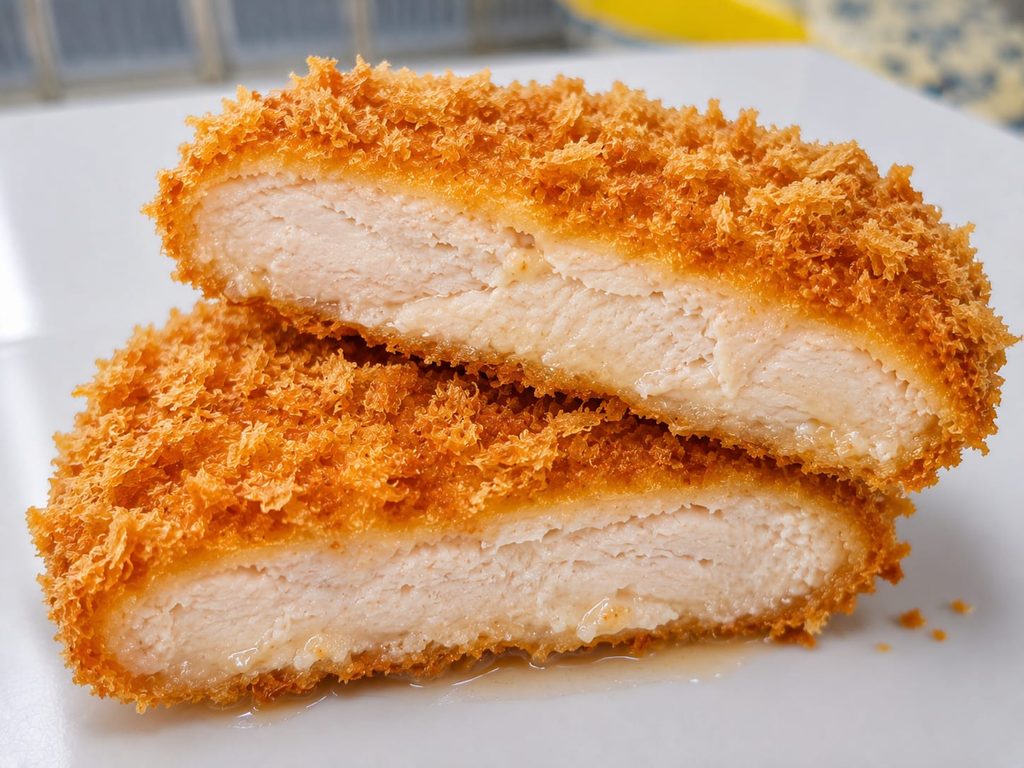
Panko is often associated with a crispier eating experience because its structure is more open and flaky than many conventional breadcrumbs.
During frying, the coating structure interacts with heat and moisture from the food.
The objective is not simply to create a hard outer layer. A well-designed coating should provide the desired balance between:
- Crispness
- Bite
- Coating thickness
- Moisture control
- Adhesion
- Appearance
This is why selecting the crumb should always be considered together with the batter or binder system and frying process.
4. Coating Adhesion Still Matters
A common misconception is that choosing the right crumb automatically guarantees good coating adhesion.
It does not.
The final coating performance depends on several stages of the breading system.
For example:
Product surface → Predust → Batter/Binder → Breadcrumb or Panko → Frying
If the product surface has inconsistent moisture, the batter is not properly balanced, or the coating application is not controlled, even a high-quality crumb may not perform as expected.
Research on breaded products also shows that breadcrumb loss can occur during processing, transportation and handling, which means adhesion needs to be evaluated as part of the complete production process.
5. Which One Should Food Manufacturers Choose?
There is no single answer.
The appropriate coating depends on the product, processing equipment and desired finished-food characteristics.
Traditional breadcrumbs may be suitable when you need:
- More uniform coverage
- A finer coating structure
- Controlled surface appearance
- Consistent coverage on formed products
- A relatively compact coating
Panko may be suitable when you want:
- A more textured appearance
- A lighter-looking coating
- More pronounced crunch
- Larger visible particles
- A premium crispy appearance
For industrial food production, however, the decision should go beyond the ingredient name.
Factors such as particle structure, moisture, batter viscosity, coating pickup, breading equipment and frying conditions should also be considered.
The Right Coating Is About More Than the Crumb
At Guofen Mr., we believe that a coating ingredient should be evaluated according to the finished product and production process, not simply by its specification sheet.
A successful breading system may involve:
Product → Predust → Batter → Crumb → Frying → Holding
Each stage can influence the final result.
That is why the same type of crumb may perform differently when applied to different products or under different processing conditions.
For food manufacturers, the goal is not simply to choose between panko and breadcrumbs.
The goal is to develop a coating system that delivers the required appearance, adhesion, texture and consistency in actual production.
Looking for the Right Breadcrumb or Panko Solution?
Guofen Mr. manufactures breadcrumbs, panko, crispy flakes, breading & batter mixes, and marinades & seasonings for food manufacturers and foodservice applications.
We work with customers to develop coating solutions according to their product type, processing conditions and desired finished-food characteristics.
Need help choosing between panko, breadcrumbs or a customized breading system?
Contact our team to discuss your application.